The human body
Explore the vocabulary by section. Selected phrases, useful distinctions and practice follow below. Open an individual list for more practice.
Wörter in dieser Liste: 209

The body in Mandarin: describe a feeling
| Wort | Lautschrift | Bedeutung |
|---|---|---|
| 靠 | kào | lean against |
| 矮 | ǎi | short |
| 打伤 | dǎ shāng | wound |
| 健康 | jiàn kāng | well |
| 静脉 | jìng mài | vein |
| 舌头 | shé tou | tongue |
| 瘦 | shòu | thin |
| 出汗 | chū hàn | sweat |
| 睡眠 | shuì mián | sleep |
| 力气 | lì qi | strength |
| 肚子 | dù zi | stomach |
| 脊柱 | jǐ zhù | spine |
| 瞳孔 | tóng kǒng | pupil |
| 指甲 | zhǐ jia | nail |
| 疼 | téng | hurt |
| 人类 | rén lèi | human |
| 身高 | shēn gāo | height |
| 脚后跟 | jiǎo hòu gen | heel |
| 长胖 | zhǎng pàng | gain |
| 脂肪 | zhī fáng | fat |
| 口子 | kǒu zi | cut |
| 护肤霜 | hù fū shuāng | cream |
| 感冒 | gǎn mào | cold |
| 小腿肚 | xiǎo tuǐ dù | calf |
| 平衡 | píng héng | balance |
| 雀斑 | què bān | freckle |
| 痣 | zhì | mole |
| 皱纹 | zhòu wén | wrinkle |
| 疤痕 | bā hén | scar |
| 尿液 | niào yè | urine |
| 黏液 | nián yè | mucus |
| 眼泪 | yǎn lèi | tear |
| 汗 | hàn | sweat |
| 唾液 | tuò yè | saliva |
| 神经 | shén jīng | nerve |
| 血液 | xuè yè | blood |
| 毛细血管 | máo xì xuè guǎn | capillary |
| 动脉 | dòng mài | artery |
| 皮肤 | pí fū | skin |
| 组织 | zǔ zhī | tissue |
| 肌肉 | jī ròu | muscle |
| 肌腱 | jī jiàn | tendon |
| 韧带 | rèn dài | ligament |
| 软骨 | ruǎn gǔ | cartilage |
| 关节 | guān jié | joint |
| 骨头 | gǔ tou | bone |
| 骨骼 | gǔ gé | skeleton |
| 躯干 | qū gàn | torso |
| 肢体 | zhī tǐ | limb |
| 器官 | qì guān | organ |
| 身体 | shēn tǐ | body |
| 叶脉 | yè mài | vein |

Head and face
| Wort | Lautschrift | Bedeutung |
|---|---|---|
| 太阳穴 | tài yáng xué | temple |
| 咽 | yàn | swallow |
| 刷 | shuā | brush |
| 耳垂 | ěr chuí | earlobe |
| 耳朵 | ěr duo | ear |
| 下巴 | xià ba | chin |
| 下颌 | xià hé | jaw |
| 牙龈 | yá yín | gum |
| 牙齿 | yá chǐ | tooth |
| 嘴唇 | zuǐ chún | lip |
| 嘴巴 | zuǐ ba | mouth |
| 颧骨 | quán gǔ | cheekbone |
| 脸颊 | liǎn jiá | cheek |
| 鼻孔 | bí kǒng | nostril |
| 鼻子 | bí zi | nose |
| 眉毛 | méi máo | eyebrow |
| 睫毛 | jié máo | eyelash |
| 眼睑 | yǎn jiǎn | eyelid |
| 眼睛 | yǎn jing | eye |
| 额头 | é tóu | forehead |
| 头发 | tóu fà | hair |
| 头皮 | tóu pí | scalp |
| 头骨 | tóugǔ | skull |
| 脸 | liǎn | face |
| 头 | tóu | head |
| 脖子 | bó zi | neck |
| 肩膀 | jiān bǎng | shoulder |
| 手臂 | shǒu bì | arm |
| 手 | shǒu | hand |
| 手指 | shǒu zhǐ | finger |
| 腿 | tuǐ | leg |
| 脚 | jiǎo | foot |
| 脚趾 | jiǎo zhǐ | toe |
| 后背 | hòubèi | back |
| 胸部 | xiōng bù | chest |
| 膝盖 | xī gài | knee |
| 喉咙 | hóu lóng | throat |
| 上臂 | shàng bì | upper arm |
| 前臂 | qián bì | forearm |
| 胳膊肘 | gēbozhǒu | elbow |
| 手腕 | shǒu wàn | wrist |
| 手掌 | shǒu zhǎng | palm |
| 拇指 | mǔ zhǐ | thumb |
| 食指 | shí zhǐ | index finger |
| 中指 | zhōng zhǐ | middle finger |
| 无名指 | wú míng zhǐ | ring finger |
| 小指 | xiǎo zhǐ | pinky |
| 指关节 | zhǐ guān jié | knuckle |
| 指甲 | zhǐ jiǎ | fingernail |
| 大腿 | dà tuǐ | thigh |
| 小腿 | xiǎo tuǐ | shin |
| 髌骨 | bìn gǔ | kneecap |
| 脚踝 | jiǎo huái | ankle |
| 大脚趾 | dà jiǎo zhǐ | big toe |
| 小脚趾 | xiǎo jiǎo zhǐ | little toe |
| 脚趾甲 | jiǎo zhǐ jiǎ | toenail |
| 腿上 | tuǐ shang | lap |
| 腰 | yāo | waist |
| 髋部 | kuān bù | hip |
| 肚脐 | dù qí | belly button |
| 臀部 | tún bù | buttock |
| 肋骨 | lèi gǔ | rib |
| 胸廓 | xiōng kuò | rib cage |
| 锁骨 | suǒ gǔ | collarbone |
| 乳房 | rǔ fáng | breast |
| 后颈 | hòu jǐng | nape |
| 骨盆 | gǔ pén | pelvis |
| 大脑 | dà nǎo | brain |
| 肺 | fèi | lung |
| 肠道 | cháng dào | intestine |
| 肾脏 | shèn zàng | kidney |
| 疼痛 | téng tòng | pain |
| 头痛 | tóu tòng | headache |
| 伤 | shāng | injury |
| 弄坏 | nòng huài | break |
| 流血 | liú xuè | bleed |
| 呼吸 | hū xī | breathe / breath |
| 嚼 | jiáo | chew |
| 挥手 | huī shǒu | wave |
| 指 | zhǐ | point |
| 点头 | diǎn tóu | nod |
| 耸肩 | sǒng jiān | shrug |
| 踢 | tī | kick |
| 碰 | pèng | touch |
| 绊 | bàn | trip |
| 胡子 | húzi | beard |
| 屁股 | pì gu | butt |
| 隐隐作痛 | yǐn yǐn zuò tòng | ache |
| 牙疼 | yá téng | toothache |
| 肚子疼 | dù zi téng | stomach ache |
| 背疼 | bèi téng | backache |
| 嗓子疼 | sǎng zi téng | sore throat |
| 腋窝 | yè wō | armpit |
| 拳头 | quán tou | fist |
| 淤青 | yū qīng | bruise |
| 咳嗽 | ké sou | cough |
| 打喷嚏 | dǎ pēn tì | sneeze |
| 肚肚 | dù du | tummy |
| 肩胛骨 | jiān jiǎ gǔ | shoulder blade |
| 后腰 | hòu yāo | lower back |
| 脚底 | jiǎo dǐ | sole |
| 眨眼 | zhǎ yǎn | blink |
| 挤眼 | jǐ yǎn | wink |
| 打哈欠 | dǎ hā qian | yawn |
| 小胡子 | xiǎo hú zi | moustache |
| 酒窝 | jiǔ wō | dimple |
| 膀胱 | páng guāng | bladder |
| 阑尾 | lán wěi | appendix |
| 胰腺 | yí xiàn | pancreas |
| 脾脏 | pí zàng | spleen |
| 脊髓 | jǐ suǐ | spinal cord |
| 脉搏 | mài bó | pulse |
| 微笑 | wēi xiào | smile |
| 皱眉 | zhòu méi | frown |
| 闻 | wén | sniff |
| 舔 | tiǎn | lick |
| 咬 | yǎo | bite |
| 亲吻 | qīn wěn | kiss |
| 拥抱 | yōng bào | hug |
| 盯着 | dīng zhe | stare |
| 伤口 | shāng kǒu | wound |
| 肿包 | zhǒng bāo | bump |
| 疼痛的 | téng tòng de | painful |
| 弄伤 | nòng shāng | injure |
| 划痕 | huá hén | scratch |
| 肚子 | dù zi | belly |
| 胆囊 | dǎn náng | gallbladder |
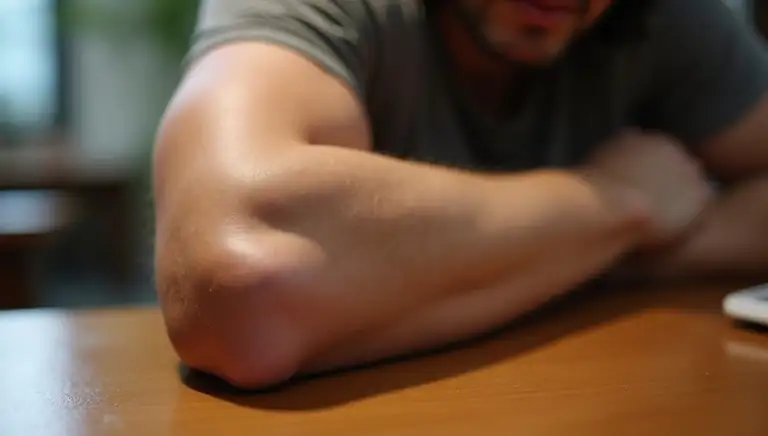
Arms and legs in Mandarin: movement and discomfort
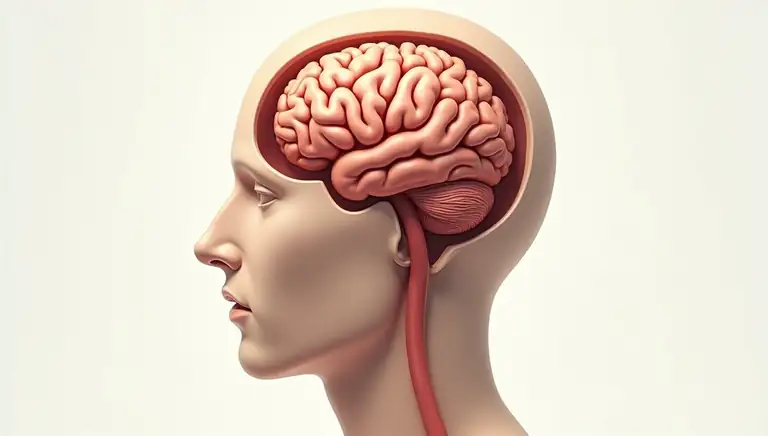
Internal organs in Mandarin: symptoms and examinations
| Wort | Lautschrift | Bedeutung |
|---|---|---|
| 中风 | zhòng fēng | stroke |
| 恶心 | ě xin | sick |
| 月经 | yuè jīng | period |
| 发作 | fā zuò | attack |
| 胸腺 | xiōng xiàn | thymus |
| 松果体 | sōng guǒ tǐ | pineal gland |
| 垂体 | chuí tǐ | pituitary gland |
| 甲状腺 | jiǎ zhuàng xiàn | thyroid gland |
| 肾上腺 | shèn shàng xiàn | adrenal gland |
| 尿道 | niào dào | urethra |
| 输尿管 | shū niào guǎn | ureter |
| 直肠 | zhí cháng | rectum |
| 结肠 | jié cháng | colon |
| 大肠 | dà cháng | large intestine |
| 小肠 | xiǎo cháng | small intestine |
| 胃 | wèi | stomach |
| 食道 | shí dào | esophagus |
| 横膈膜 | héng gé mó | diaphragm |
| 支气管 | zhī qì guǎn | bronchus |
| 气管 | qì guǎn | trachea |
| 心脏 | xīn zàng | heart |
| 肝脏 | gān zàng | liver |
The torso in Mandarin: posture and aches
Alle 209 Wörter dieser Liste
Fünf Minuten am Tag helfen beim Merken
Lernkarten mit Bildern und Audio. Wiederhole die Wörter, die du vergisst.

Useful phrases
我头疼。
Wǒ tóu téng.
I have a headache.
请举起右手。
Qǐng jǔqǐ yòu shǒu.
Please raise your right hand.
我的胃不舒服。
Wǒ de wèi bù shūfu.
My stomach feels uncomfortable.
我的背疼。
Wǒ de bèi téng.
My back hurts.
我的手很冷。
Wǒ de shǒu hěn lěng.
My hands are cold.
我的左脚疼。
Wǒ de zuǒ jiǎo téng.
My left foot hurts.
心脏在这里。
Xīnzàng zài zhèlǐ.
The heart is here.
我的腰有点疼。
Wǒ de yāo yǒudiǎn téng.
My lower back hurts a little.
Good to know
What is the difference?

Easy to mix up
Do not attach a plural ending to body parts
眼睛 can mean an eye or eyes according to context. Specify 一只眼睛 for one eye or 两只眼睛 for two; Mandarin does not add an English-style -s.
我的眼睛有点红。
Wǒ de yǎnjing yǒudiǎn hóng.
My eyes are a little red.
Fingers and toes use different words
手指 means finger; 脚趾 means toe. The shared English pattern “digits” does not mean you can use 手指 for toes.
我的手指疼。
Wǒ de shǒuzhǐ téng.
My finger hurts.
Learn the pronunciation of 恶心 as a whole
In the phrase for feeling nauseous, 恶心 is pronounced ěxin. 恶 has several readings, so guessing from a familiar reading can produce the wrong word.
我有点恶心。
Wǒ yǒudiǎn ěxin.
I feel a little nauseous.
Chest and breast are different terms
胸口 refers to the chest area; 乳房 names a breast anatomically. Use 胸口 when reporting general pain in the chest area.
他的胸口疼。
Tā de xiōngkǒu téng.
His chest hurts.
Check yourself
Choose an answer to see the explanation.
Answered: 0 of 15. Correct: 0.