The human body
Explore the vocabulary by section. Selected phrases, useful distinctions and practice follow below. Open an individual list for more practice.
Wörter in dieser Liste: 209

Body basics in Korean
| Wort | Lautschrift | Bedeutung |
|---|---|---|
| 기대다 | gi-dae-da | lean against |
| 키가 작다 | ki-ga jak-da | short |
| 부상을 입히다 | bu-sang-eul i-pi-da | wound |
| 건강하다 | geon-gang-ha-da | well |
| 정맥 | jeong-maek | vein |
| 혀 | hyeo | tongue |
| 마르다 | ma-reu-da | thin |
| 땀을 흘리다 | ttam-eul heul-li-da | sweat |
| 잠 | jam | sleep |
| 힘 | him | strength |
| 배 | bae | stomach |
| 척추 | cheok-chu | spine |
| 동공 | dong-gong | pupil |
| 손톱 | son-top | nail |
| 아프다 | a-peu-da | hurt |
| 인간 | in-gan | human |
| 키 | ki | height |
| 발뒤꿈치 | bal-dwi-kkum-chi | heel |
| 살찌다 | sal-jji-da | gain |
| 지방 | ji-bang | fat |
| 베인 상처 | be-in sang-cheo | cut |
| 크림 | keu-rim | cream |
| 감기 | gam-gi | cold |
| 종아리 | jong-a-ri | calf |
| 균형 | gyun-hyeong | balance |
| 주근깨 | ju-geun-kkae | freckle |
| 점 | jeom | mole |
| 주름 | ju-reum | wrinkle |
| 흉터 | hyung-teo | scar |
| 소변 | so-byeon | urine |
| 점액 | jeo-maek | mucus |
| 눈물 | nun-mul | tear |
| 땀 | ttam | sweat |
| 침 | chim | saliva |
| 신경 | sin-gyeong | nerve |
| 혈액 | hyeo-raek | blood |
| 모세혈관 | mo-se-hyeol-gwan | capillary |
| 동맥 | dong-maek | artery |
| 피부 | pi-bu | skin |
| 조직 | jo-jik | tissue |
| 근육 | geu-nyuk | muscle |
| 힘줄 | him-jul | tendon |
| 인대 | in-dae | ligament |
| 연골 | yeon-gol | cartilage |
| 관절 | gwan-jeol | joint |
| 뼈 | ppyeo | bone |
| 골격 | gol-gyeok | skeleton |
| 몸통 | mom-tong | torso |
| 팔다리 | pal-da-ri | limb |
| 장기 | jang-gi | organ |
| 몸 | mom | body |
| 잎맥 | im-maek | vein |

Explain a toothache or sore ear in Korean
| Wort | Lautschrift | Bedeutung |
|---|---|---|
| 관자놀이 | gwan-ja-no-ri | temple |
| 삼키다 | sam-ki-da | swallow |
| 닦다 | dak-da | brush |
| 귓불 | gwit-bul | earlobe |
| 귀 | gwi | ear |
| 턱 | teok | chin / jaw |
| 잇몸 | in-mom | gum |
| 이 | i | tooth |
| 입술 | ip-sul | lip |
| 입 | ip | mouth |
| 광대뼈 | gwang-dae-ppyeo | cheekbone |
| 볼 | bol | cheek |
| 콧구멍 | kot-gu-meong | nostril |
| 코 | ko | nose |
| 눈썹 | nun-sseop | eyebrow |
| 속눈썹 | song-nun-sseop | eyelash |
| 눈꺼풀 | nun-kkeo-pul | eyelid |
| 눈 | nun | eye |
| 이마 | i-ma | forehead |
| 머리카락 | meo-ri-ka-rak | hair |
| 두피 | du-pi | scalp |
| 두개골 | du-gae-gol | skull |
| 얼굴 | eol-gul | face |
| 머리 | meo-ri | head |
| 목 | mok | neck |
| 어깨 | eo-kkae | shoulder |
| 팔 | pal | arm |
| 손 | son | hand |
| 손가락 | son-ga-rak | finger |
| 다리 | da-ri | leg |
| 발 | bal | foot |
| 발가락 | bal-ga-rak | toe |
| 등 | deung | back |
| 가슴 | ga-seum | chest |
| 무릎 | mu-reup | knee / lap |
| 목구멍 | mok-gu-meong | throat |
| 위팔 | wi-pal | upper arm |
| 팔뚝 | pal-ttuk | forearm |
| 팔꿈치 | pal-kkum-chi | elbow |
| 손목 | son-mok | wrist |
| 손바닥 | son-ba-dak | palm |
| 엄지손가락 | eom-ji-son-ga-rak | thumb |
| 검지 | geom-ji | index finger |
| 중지 | jung-ji | middle finger |
| 약지 | yak-ji | ring finger |
| 새끼손가락 | sae-kki-son-ga-rak | pinky |
| 손마디 | son-ma-di | knuckle |
| 손톱 | son-top | fingernail |
| 허벅지 | heo-beok-ji | thigh |
| 정강이 | jeong-gang-i | shin |
| 슬개골 | seul-gae-gol | kneecap |
| 발목 | bal-mok | ankle |
| 엄지발가락 | eom-ji-bal-ga-rak | big toe |
| 새끼발가락 | sae-kki-bal-ga-rak | little toe |
| 발톱 | bal-top | toenail |
| 허리 | heo-ri | waist / lower back |
| 골반 | gol-ban | hip / pelvis |
| 배꼽 | bae-kkop | belly button |
| 엉덩이 | eong-deong-i | buttock / butt |
| 갈비뼈 | gal-bi-ppyeo | rib |
| 흉곽 | hyung-gwak | rib cage |
| 쇄골 | swae-gol | collarbone |
| 유방 | yu-bang | breast |
| 목덜미 | mok-deol-mi | nape |
| 뇌 | noe | brain |
| 폐 | pye | lung |
| 장 | jang | intestine |
| 신장 | sin-jang | kidney |
| 통증 | tong-jeung | pain |
| 두통 | du-tong | headache |
| 부상 | bu-sang | injury |
| 부러뜨리다 | bu-reo-tteu-ri-da | break |
| 피가 나다 | pi-ga na-da | bleed |
| 숨 쉬다 | sum swi-da | breathe |
| 씹다 | ssip-da | chew |
| 손을 흔들다 | so-neul heun-deul-da | wave |
| 가리키다 | ga-ri-ki-da | point |
| 끄덕이다 | kkeu-deo-gi-da | nod |
| 어깨를 으쓱하다 | eo-kkae-reul eu-sseu-ka-da | shrug |
| 차다 | cha-da | kick |
| 만지다 | man-ji-da | touch |
| 발이 걸리다 | ba-ri geol-li-da | trip |
| 턱수염 | teok-su-yeom | beard |
| 숨 | sum | breath |
| 쑤시다 | ssu-si-da | ache |
| 치통 | chi-tong | toothache |
| 복통 | bok-tong | stomach ache |
| 요통 | yo-tong | backache |
| 인후통 | in-hu-tong | sore throat |
| 겨드랑이 | gyeo-deu-rang-i | armpit |
| 주먹 | ju-meok | fist |
| 멍 | meong | bruise |
| 기침하다 | gi-chim-ha-da | cough |
| 재채기하다 | jae-chae-gi-ha-da | sneeze |
| 배 | bae | tummy / belly |
| 어깨뼈 | eo-kkae-ppyeo | shoulder blade |
| 발바닥 | bal-ppa-dak | sole |
| 깜빡이다 | kkam-ppa-gi-da | blink |
| 윙크하다 | wing-keu-ha-da | wink |
| 하품하다 | ha-pum-ha-da | yawn |
| 콧수염 | kot-su-yeom | moustache |
| 보조개 | bo-jo-gae | dimple |
| 방광 | bang-gwang | bladder |
| 충수 | chung-su | appendix |
| 췌장 | chwe-jang | pancreas |
| 비장 | bi-jang | spleen |
| 척수 | cheok-su | spinal cord |
| 맥박 | maek-bak | pulse |
| 웃다 | ut-da | smile |
| 얼굴을 찌푸리다 | eol-gu-reul jji-pu-ri-da | frown |
| 냄새를 맡다 | naem-sae-reul mat-da | sniff |
| 핥다 | hal-da | lick |
| 물다 | mul-da | bite |
| 키스하다 | ki-seu-ha-da | kiss |
| 껴안다 | kkyeo-an-da | hug |
| 빤히 쳐다보다 | ppan-hi chyeo-da-bo-da | stare |
| 상처 | sang-cheo | wound |
| 혹 | hok | bump |
| 고통스러운 | go-tong-seu-reo-un | painful |
| 다치다 | da-chi-da | injure |
| 긁힌 자국 | geul-kin ja-guk | scratch |
| 담낭 | dam-nang | gallbladder |
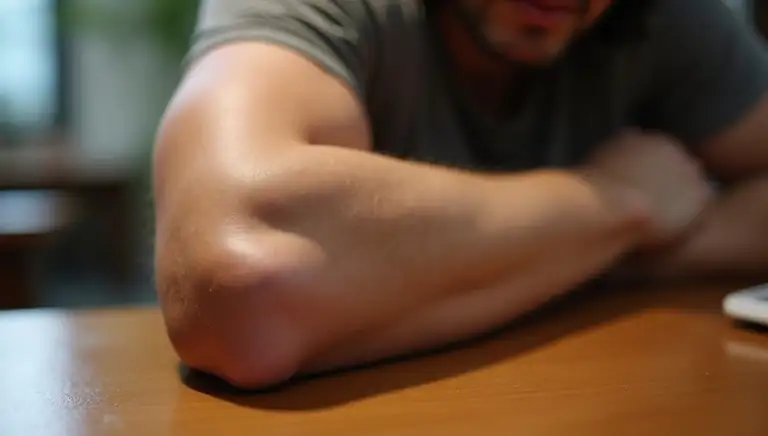
Arms and legs in Korean
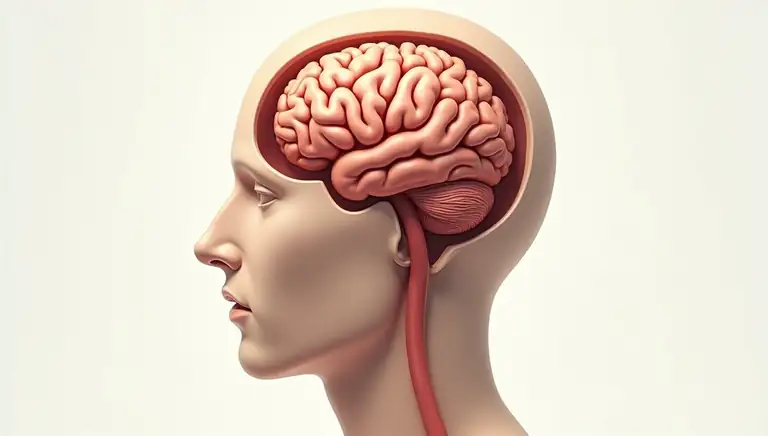
Internal organs in Korean
| Wort | Lautschrift | Bedeutung |
|---|---|---|
| 뇌졸중 | noe-jol-jung | stroke |
| 메스껍다 | me-seu-kkeop-da | sick |
| 생리 | saeng-ri | period |
| 발작 | bal-jak | attack |
| 흉선 | hyung-seon | thymus |
| 송과선 | song-gwa-seon | pineal gland |
| 뇌하수체 | noe-ha-su-che | pituitary gland |
| 갑상선 | gap-sang-seon | thyroid gland |
| 부신 | bu-sin | adrenal gland |
| 요도 | yo-do | urethra |
| 요관 | yo-gwan | ureter |
| 직장 | jik-jang | rectum |
| 결장 | gyeol-jang | colon |
| 대장 | dae-jang | large intestine |
| 소장 | so-jang | small intestine |
| 위 | wi | stomach |
| 식도 | sik-do | esophagus |
| 횡격막 | hoeng-gyeong-mak | diaphragm |
| 기관지 | gi-gwan-ji | bronchus |
| 기관 | gi-gwan | trachea |
| 염통 | yeom-tong | heart |
| 간 | gan | liver |
Torso and posture in Korean
Alle 209 Wörter dieser Liste
Fünf Minuten am Tag helfen beim Merken
Lernkarten mit Bildern und Audio. Wiederhole die Wörter, die du vergisst.

Useful phrases
머리가 아파요.
meoriga apayo.
My head hurts.
팔을 들어 주세요.
pareul deureo juseyo.
Please raise your arm.
심장은 어디에 있어요?
simjangeun eodie isseoyo?
Where is the heart?
등이 아파요.
deungi apayo.
My back hurts.
눈이 아파요.
nuni apayo.
My eyes hurt.
손을 씻어요.
soneul ssiseoyo.
I wash my hands.
폐는 호흡을 도와요.
pyeneun hoheubeul dowayo.
The lungs help with breathing.
허리가 아파요.
heoriga apayo.
My lower back hurts.
Good to know
What is the difference?

Easy to mix up
What does 어디가 아파요? ask about?
어디 asks where. To ask how much it hurts you would need wording about degree, rather than simply 어디.
어디가 아파요?
eodiga apayo?
Where does it hurt?
Which describes swelling specifically?
부었어요 means swollen. 아파요 means hurts; 펴세요 is an instruction to straighten or extend something.
발목이 부었어요.
balmogi bueosseoyo.
My ankle is swollen.
Which is a request for an explanation rather than a statement of pain?
설명해 주세요 asks someone to explain. 아파요 reports pain; 있어요 expresses existence.
천천히 설명해 주세요.
cheoncheonhi seolmyeonghae juseyo.
Please explain slowly.
Which instruction means relax the shoulders?
힘을 빼세요 literally asks you to release tension. 들어 주세요 asks you to raise something; 펴세요 asks you to straighten it.
어깨에 힘을 빼세요.
eokkaee himeul ppaeseyo.
Please relax your shoulders.
Check yourself
Choose an answer to see the explanation.
Answered: 0 of 15. Correct: 0.