Describing things
Describe size, difficulty and everyday qualities.
Wörter in dieser Liste: 247

Essential opposites

More opposites
| Wort | Lautschrift | Bedeutung |
|---|---|---|
| 对 | duì | true |
| 假 | jiǎ | false |
| 活的 | huó de | alive |
| 死的 | sǐ de | dead |
| 远 | yuǎn | far |
| 高 | gāo | tall / high |
| 低 | dī | low |
| 有钱的 | yǒu qián de | rich |
| 穷 | qióng | poor |
| 强壮 | qiángzhuàng | strong |
| 弱 | ruò | weak |
| 响亮 | xiǎngliàng | loud |
| 吵闹 | chǎonào | noisy |
| 清静 | qīngjìng | quiet |
| 开着 | kāi zhe | open |
| 关着 | guān zhe | closed |
| 错 | cuò | wrong |
| 相同 | xiāngtóng | same |
| 不同 | bùtóng | different |
| 早 | zǎo | early |
| 晚 | wǎn | late |
| 暗 | àn | dark |
| 亮 | liàng | bright |
| 安全 | ānquán | safe |
| 危险 | wēixiǎn | dangerous |
| 公共 | gōnggòng | public |
| 私立 | sī lì | private |
| 富有的 | fù yǒu de | wealthy |
| 不安全的 | bù ān quán de | unsafe |
| 无声 | wúshēng | silent |
| 男性的 | nán xìng de | male |
| 女性的 | nǚ xìng de | female |

Size, shape and quantity
Weight, texture and appearance
| Wort | Lautschrift | Bedeutung |
|---|---|---|
| 新鲜的 | xīn xiān de | fresh |
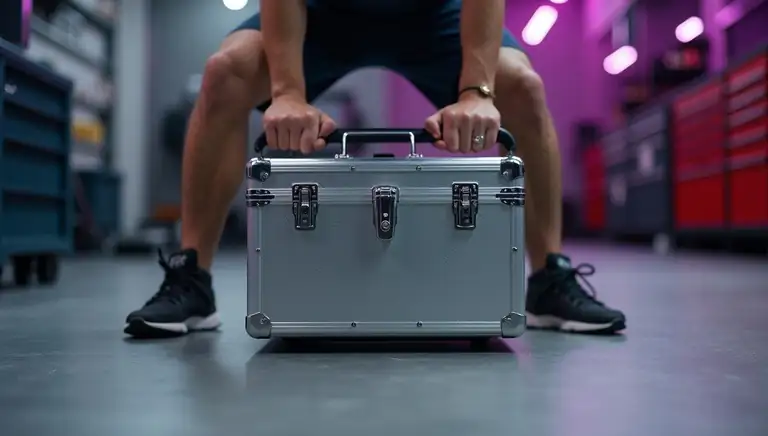
| 重的 | zhòng de | heavy |
| 轻的 | qīng de | light |
| 软的 | ruǎn de | soft |
| 光滑的 | guāng huá de | smooth |
| 粗糙的 | cū cāo de | rough |
| 锋利的 | fēng lì de | sharp |
| 湿 | shī | wet |
| 干的 | gān de | dry |
| 宽松的 | kuān sōng de | loose |
| 紧的 | jǐn de | tight |
| 硬 | yìng | solid |
| 紧实的 | jǐn shí de | firm |
| 中空的 | zhōng kōng de | hollow |
| 钝的 | dùn de | blunt |
| 有光泽的 | yǒu guāng zé de | shiny |
| 浅色的 | qiǎn sè de | pale |
| 严寒的 | yán hán de | freezing |
| 整洁的 | zhěng jié de | neat |
| 凌乱的 | líng luàn de | messy |
| 可见的 | kě jiàn de | visible |
| 看不见的 | kàn bú jiàn de | invisible |

Taste

Opinions
| Wort | Lautschrift | Bedeutung |
|---|---|---|
| 棒 | bàng | great |
| 极好的 | jí hǎo de | excellent |
| 精彩的 | jīng cǎi de | wonderful |
| 好 | hǎo | nice |
| 没事 | méi shì | fine |
| 完美的 | wán měi de | perfect |
| 惊人 | jīngrén | amazing |
| 美好的 | měi hǎo de | lovely |
| 糟糕 | zāogāo | terrible |
| 美丽 | měilì | beautiful |
| 漂亮 | piàoliang | pretty |
| 英俊 | yīngjùn | handsome |
| 丑陋 | chǒulòu | ugly |
| 有趣 | yǒuqù | interesting |
| 无聊的 | wú liáo de | boring |
| 好玩 | hǎo wán | fun |
| 好笑 | hǎoxiào | funny |
| 宜人的 | yí rén de | pleasant |
| 讨厌的 | tǎo yàn de | nasty |
| 有吸引力 | yǒu xīyǐnlì | attractive |
| 可爱 | kě'ài | cute |
| 一般 | yìbān | average |
| 疯狂的 | fēng kuáng de | crazy |
| 积极 | jījí | positive |
| 消极 | xiāojí | negative |

Usefulness and convenience
| Wort | Lautschrift | Bedeutung |
|---|---|---|
| 主要 | zhǔyào | main |
| 重要 | zhòngyào | important |
| 必要 | bìyào | necessary |
| 有用 | yǒuyòng | useful |
| 有价值的 | yǒu jià zhí de | valuable |
| 重大 | zhòngdà | major |
| 次要的 | cì yào de | minor |
| 可能 | kěnéng | possible |
| 不可能 | bù kěnéng | impossible |
| 简单 | jiǎndān | simple |
| 复杂 | fùzá | complicated |
| 清楚 | qīng chu | clear |
| 正确的 | zhèng què de | correct |
| 舒服 | shūfu | comfortable |
| 不舒服 | bù shūfu | uncomfortable |
| 方便 | fāngbiàn | convenient |
| 有空 | yǒu kòng | free |
| 忙碌的 | máng lù de | busy |

Real, ordinary and unusual

Precision and scope
| Wort | Lautschrift | Bedeutung |
|---|---|---|
| 有能力 | yǒu nénglì | able |
| 不能 | bù néng | unable |
| 可能 | kěnéng | likely |
| 不太可能的 | bù tài kě néng de | unlikely |
| 明显 | míngxiǎn | obvious |
| 可用 | kěyòng | available |
| 基础的 | jī chǔ de | basic |
| 一般 | yìbān | general |
| 特定 | tèdìng | particular |
| 具体 | jùtǐ | specific |
| 复杂 | fùzá | complex |
| 确切 | quèqiè | exact |
| 准确 | zhǔnquè | accurate |
| 严肃的 | yán sù de | serious |
| 官方的 | guān fāng de | official |
| 非法 | fēifǎ | illegal |
| 自己的 | zì jǐ de | own |
| 典型 | diǎnxíng | typical |
| 普通 | pǔtōng | ordinary |
| 单独 | dāndú | separate |
| 相反 | xiāngfǎn | opposite |
| 相等 | xiāngděng | equal |
| 熟悉 | shúxī | familiar |
| 极端 | jíduān | extreme |
| 传统的 | chuán tǒng de | traditional |
| 经典的 | jīng diǎn de | classic |
| 不公平的 | bù gōng píng de | unfair |

Position and place

Physical states

Age and time
| Wort | Lautschrift | Bedeutung |
|---|---|---|
| 每天的 | měitiān de | daily |
| 每周的 | měi zhōu de | weekly |
| 频繁的 | pín fán de | frequent |
| 日常的 | rì cháng de | everyday |
| 每月的 | měi yuè de | monthly |
| 年度 | nián dù | annual |
| 定期 | dìngqī | regular |
| 平常 | píngcháng | usual |
| 常见 | chángjiàn | common |
| 罕见的 | hǎn jiàn de | rare |
| 最近 | zuìjìn | recent |
| 当前的 | dāng qián de | current |
| 下一个 | xià yí gè | next |
| 最后的 | zuì hòu de | last / final |
| 现代的 | xiàn dài de | modern |
| 古老 | gǔlǎo | ancient |
| 年老 | niánlǎo | elderly |
| 快 | kuài | quick |
| 过时的 | guò shí de | old-fashioned |
| 上一个 | shàng yí gè | previous |
| 以前的 | yǐ qián de | former |
| 突然 | tūrán | sudden |
| 立即的 | lì jí de | immediate |
| 紧急的 | jǐn jí de | urgent |
| 临时的 | lín shí de | temporary |
| 永久的 | yǒng jiǔ de | permanent |
Alle 247 Wörter dieser Liste
Fünf Minuten am Tag helfen beim Merken
Lernkarten mit Bildern und Audio. Wiederhole die Wörter, die du vergisst.

Useful phrases
这本书很厚。
Zhè běn shū hěn hòu.
This book is thick.
那条路很冷清。
Nà tiáo lù hěn lěngqing.
That road is quiet.
这个包太重了。
Zhège bāo tài zhòng le.
This bag is too heavy.
这道题很难。
Zhè dào tí hěn nán.
This question is difficult.
房间很干净。
Fángjiān hěn gānjìng.
The room is clean.
水很凉。
Shuǐ hěn liáng.
The water is cold.
我很好。
Wǒ hěn hǎo.
I am fine.
解释很清楚。
Jiěshì hěn qīngchu.
The explanation is clear.
Good to know
What is the difference?

Easy to mix up
A useful distinction
Use 太重了 for too heavy. 重 can also be read chóng in words meaning again or repeat, but the weight meaning here is zhòng.
这个包太重了。
Zhège bāo tài zhòng le.
This bag is too heavy.
Check yourself
Choose an answer to see the explanation.
Answered: 0 of 8. Correct: 0.